
The Evolution of English Slang
페이지 정보


The Evolution of English Slang: From Shakespeare to Gen Z
English is often described as a living creature, breathing and changing with every generation. While grammar rules provide the skeleton of the language, slang is the flesh and blood that gives it life. Understanding the evolution of slang isn't just about learning cool words; it’s about tracing the cultural shifts, musical movements, and technological revolutions that have shaped how we speak today.
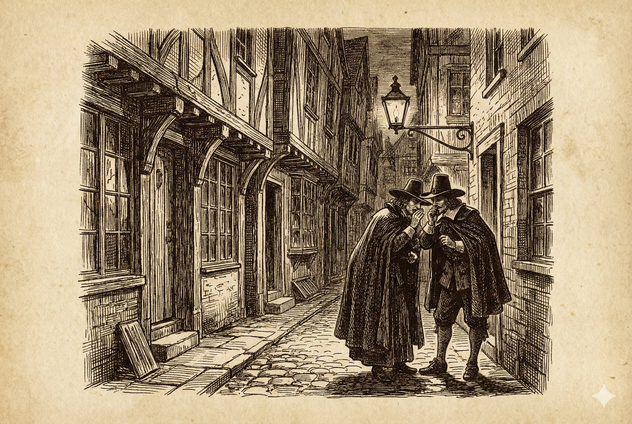
The Early Roots: Thieves and Poets
Contrary to popular belief, slang is not a modern invention of the internet age. It has existed as long as language itself, often used by specific groups to communicate in secret or to distinguish themselves from the mainstream.
In the 16th and 17th centuries, "Cant" was the secret language of thieves and beggars in London. It was a code used to hide criminal activities from the police. Interestingly, even William Shakespeare, the master of formal English, was a pioneer of slang. He invented or popularized over 1,700 words.
Back then, if someone said they were "selling you a dog," it meant they were lying to you. If you were drinking "giggle water," you were enjoying champagne. While these phrases sound funny to us now, they were the "cool" language of their time.
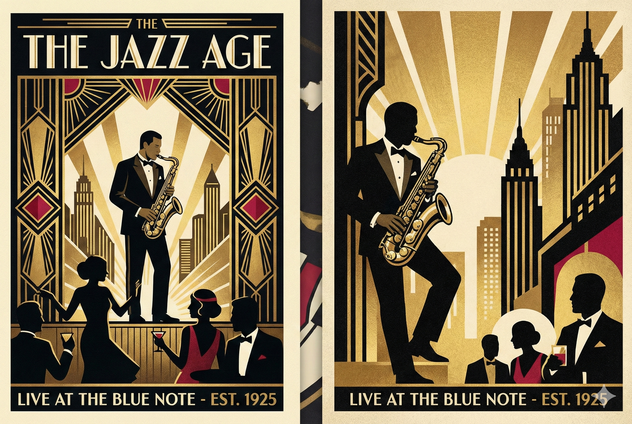
The Jazz Age and the Cool Cats
The 20th century brought the explosion of mass media and music, which accelerated the spread of slang. The 1920s to the 1950s saw the heavy influence of Jazz culture on American English. This era gave us words that are now standard, but were once considered rebellious.
The most enduring word from this period is undoubtedly "Cool." Originally used in Jazz circles to describe music that was smooth and controlled, it evolved to describe a person’s attitude.
Other terms from this era include "Cat" (a person, usually a musician) and "Threads" (clothes). If you were a "cool cat with nice threads," you were a fashionable person. This period taught us that slang often comes from the margins of society—musicians and artists—before becoming mainstream.
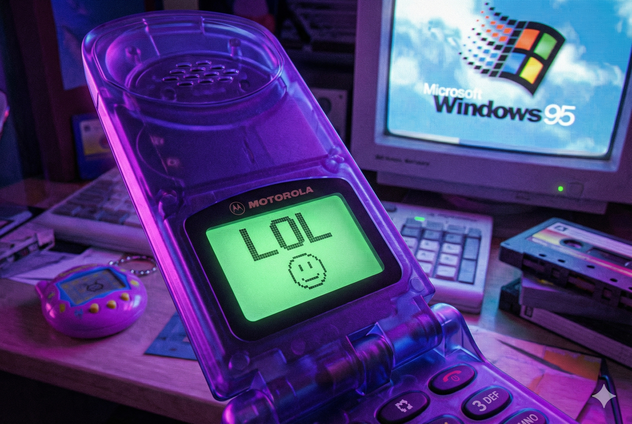
The Internet Revolution: Speed and Acronyms
The late 90s and early 2000s marked the biggest shift in the history of slang: the arrival of the Internet and SMS. Because typing on old mobile phones was difficult and expensive, brevity became king.
This era gave birth to the acronyms we still use today: LOL (Laugh Out Loud), OMG (Oh My God), and BRB (Be Right Back).
What makes this period fascinating is how these written abbreviations jumped into spoken language. It is now common to hear people actually say the word "LOL" in a face-to-face conversation. This was the first time in history that written text dictated spoken slang, rather than the other way around.
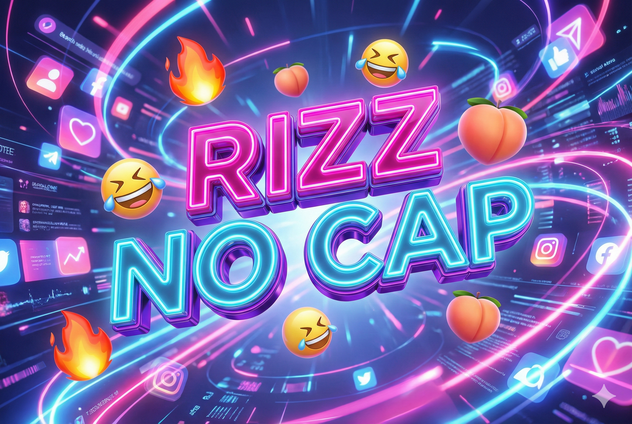
Gen Z and the Viral Age
Today, we are in the era of TikTok and instant globalization. Slang moves faster than ever before. A word can be invented in a video on Monday, trend globally by Wednesday, and be considered "old" by the weekend.
Current English slang is heavily influenced by African American Vernacular English (AAVE) and gaming culture.
"Rizz": Short for "charisma," referring to one's ability to attract a romantic partner.
"No Cap": Meaning "no lie" or "for real."
"Ghosting": Suddenly cutting off communication with someone without explanation.
These words are often completely unintelligible to older generations, serving the timeless purpose of slang: keeping the youth distinct from their parents.
Conclusion
From the "giggle water" of the Victorian era to the "Rizz" of today, the journey of slang is a reflection of society itself. It shows us what each generation valued: secrecy, music, efficiency, or viral fame.
Slang is the spice of the English language. You can survive with just the ingredients (grammar and standard vocabulary), but the meal won't taste very interesting. As the famous writer Victor Hugo once said, "Slang is a language that rolls up its sleeves, spits on its hands, and goes to work."
To truly master English, one must embrace its ever-changing nature. Don't just learn the rules; learn how people break them.
Want to put 'RIZZ' or 'No Cap' to the test? Reading isn't enough to make it yours. Start real English conversations with global friends at Langclub today.